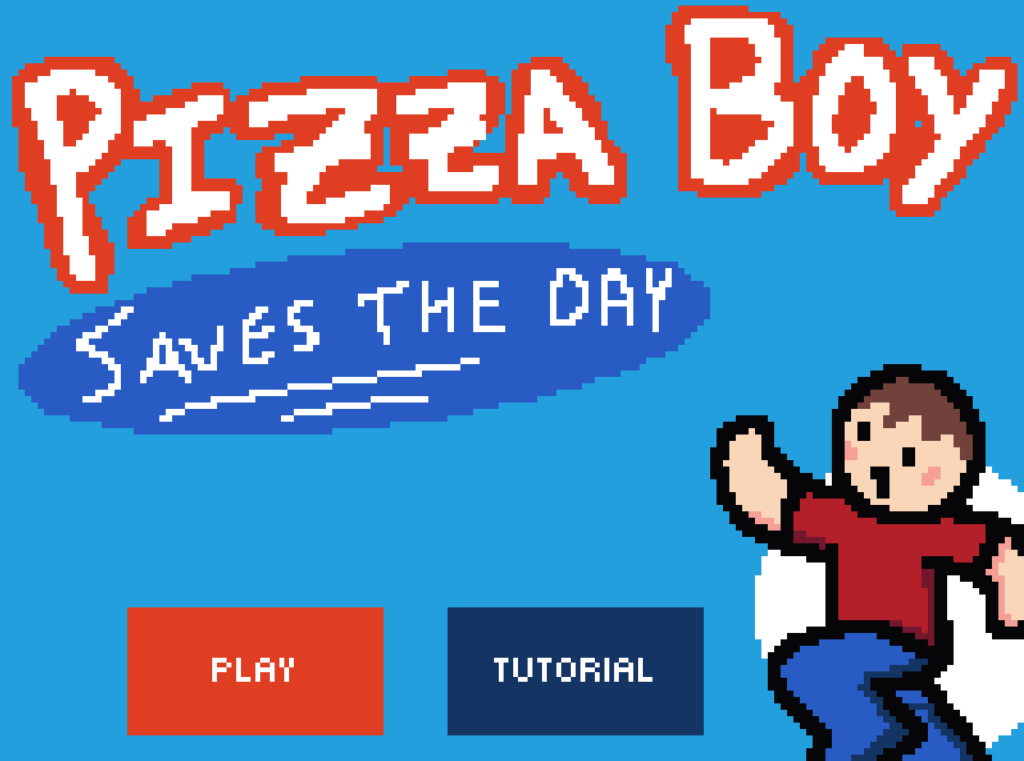
As the final project for Digital Games: Genre, Structure, Programming & Play (IAT 167), students had four weeks to develop a simple video game in Processing. Aside from certain technical criteria, the assignment was open-ended, so I had the freedom to let my creativity run wild.
Goals & Inspiration
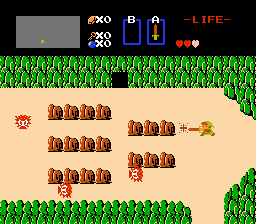
Inspired by classic top-down games like The Legend of Zelda (1986), I wanted my game to feature a playable protagonist that goes on a journey to complete a mission. The player would solve puzzles, fight enemies, and collect items while following a simple narrative arc.
The narrative elements were born from my love of old myths and fairy tales, where a male hero receives a quest from a wizard and goes on a journey to save a princess. Rather than saving the princess, the protagonist in my game simply needs to cook her a delicious pizza–and so Pizza Boy was created.
The Legend of Zelda (1986)
Process
My biggest priority was completing development for the game on time and without error.
I followed a consistent routine and development schedule, keeping a checklist of all the criteria that was necessary for the assignment. It required daily effort, which was at times difficult on top of other schoolwork, but I pushed myself to be consistent so I could avoid rushing near the end.
Development & Design
I programmed character control, combat logic, enemy behaviour, and a full boss fight–on top of every other system required to keep the game running.
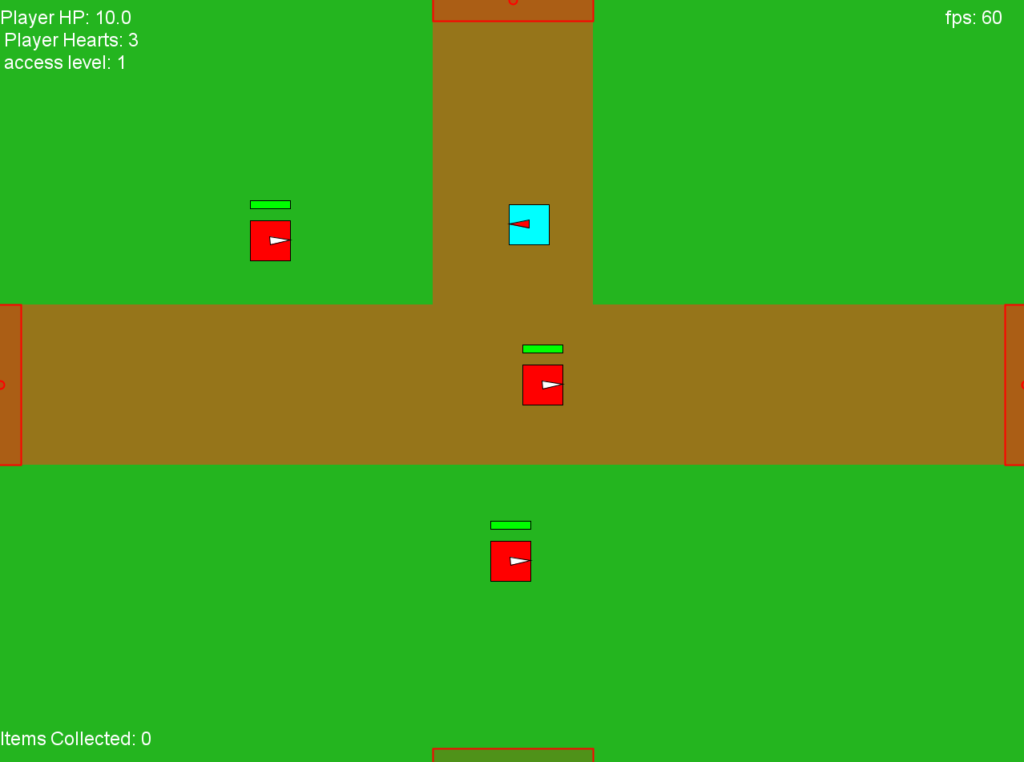
The game was developed in iterations, following certain required milestones.
While I programmed the technical side, I kept in mind what makes a game enjoyable to play: Did the character feel smooth to control? Did combat with enemies feel responsive and fair? This required careful tweaking, testing, and reiterating as I went along.
Pizza Boy (Early Prototype)
Art, Animation, & Sound
During the last weeks of the project, I shifted my focus toward crafting the visuals for the game. Using Aseprite–a program for creating pixel art–I created sprites and animations for the playable character, enemies, NPCs, the environment, and collectible items.
I used a limited colour palette and large pixel size, inspired by early 8-bit video games. Working within these constraints allowed me to focus on the essential components of each design. When you only have 16 pixels to work with, you learn to make them count. As with programming, I took an iterative approach to each design.
Player Sprites
Enemy Sprites
I also sourced royalty-free audio to compliment the environment. I made sure there was a unique sound associated with major interactions so they felt responsive and important, as well as adding music to specific areas like menu screens, main environment, puzzles, and the boss fight.
In total, the game uses 23 audio files and 89 handmade image files across characters, environment, and UI elements.
Results & Feedback
I completed the game on time and received 100% for the assignment.
Beyond the assignment, I shared the game with my close friends and family. I wanted the opportunity to observe players in real-time exploring the mechanics of the game. Through my observations, I was able to learn in what areas I failed to effectively communicate instructions to players, and reflected on how this could be remedied in the future.
Reflection
Pizza Boy Saves the Day is more than just an assignment, it’s the product of my love for simple, fun, and narrative-driven games. It captures my love for silly ideas and my dedication to see them through.
I learned a lot during this project and improved my skills as a developer and game designer. This project taught me time management, the iterative design/development process, and the importance of receiving feedback from real players. As I learn from the mistakes I made, I still take pride in the final result.